Perimenopause brings about numerous physical and emotional changes in a woman's body. Hormone levels may shift and decline. The hormonal fluctuation causes hot flashes, night sweats, mood swings, and sleep problems. Many women look for natural ways to manage these symptoms. Doctors can recommend hormone therapy, antidepressants, and natural remedies.
Acupuncture is a component of traditional Chinese medicine. The practice is based on the concept that energy, known as “qi,” flows through the body. When energy flows well, the body remains balanced and healthy.
Acupuncture is a natural option that continues to grow in popularity. It is gentle, safe, and does not rely on medication. Many women feel better after a few acupuncture sessions. If your doctor recommends acupuncture for your perimenopause symptoms, you should consult with an experienced acupuncturist for further guidance.
What is Perimenopause?
Perimenopause is the period leading up to menopause. This occurs when you have gone for up to 12 months without a menstrual period. During perimenopause, your ovaries begin to slow down their activity. They release fewer eggs, and your hormone levels shift. Estrogen and progesterone levels may fluctuate unevenly. These changes trigger physical and emotional symptoms.
The perimenopause process can last anywhere from two to ten years. Some women may notice changes, while others feel them more suddenly. Some of the factors that can influence when it begins include:
- Genetics
- Lifestyle choices
- Stress
- Health history
Although perimenopause is natural, the symptoms can sometimes feel overwhelming. Knowing what to expect can help you manage these changes without fear. Your menstrual cycles become less predictable during perimenopause. Occasionally, your period may arrive early, while at other times it may arrive late or skip altogether. The irregularity is one of the first signs of perimenopause for many women.
Common Symptoms of Perimenopause
Perimenopause affects every woman differently. However, many women share similar symptoms. These symptoms can develop gradually or appear suddenly. They include:
- Irregular periods. Your period may become unpredictable during the perimenopause period. The timing of the periods may vary from month to month. You may notice heavier or lighter bleeding or skip periods altogether. These changes happen because ovulation becomes less regular.
- Hot flashes. Hot flashes are sudden waves of warmth. They often start in the chest, neck, or face. Hot flashes can last anywhere from a few seconds to several minutes. Also, you may experience sweating or a racing heart. Hot flashes can occur at any time, even during your sleep.
- Night sweats. Night sweats are hot flashes that occur during sleep. They can disrupt your rest, and you may wake up drenched or uncomfortable. A lack of sufficient sleep can lead to daytime tiredness or irritability.
- Mood changes. Shifting hormones can affect your mood. You may feel more anxious or sad. Some women feel overwhelmed or emotional during perimenopause. These mood swings can be unpredictable.
- Sleep problems. Many women have trouble sleeping during perimenopause. You may have difficulty falling asleep or wake up often. Night sweats can make sleep even harder. Poor sleep can impact your energy and focus.
- Vaginal dryness. Lower estrogen levels can cause dryness or discomfort in the vagina. This can cause you to feel pain or irritation during sex.
- Reduced libido. You may notice a drop in sexual desire as your hormones fluctuate due to perimenopause.
- Weight gain. Some women gain weight more easily during this stage. This phenomenon is because the body’s metabolism slows down. Additionally, hormone changes can impact how the body stores fat.
- Brain fog. You may find it harder to concentrate, forget simple things, or feel mentally slow. Hormones, lack of sleep, and stress play a role in causing brain fog.
Symptoms of perimenopause vary from one person to another. Therefore, you should pay attention to your body.
When to Seek Medical Help
Many symptoms of perimenopause are typical. However, some symptoms should not be ignored. These symptoms may indicate a more serious condition. You should consult your doctor if you experience these symptoms:
- Hefty bleeding. You should seek help if your bleeding becomes extremely heavy. This scenario may include soaking through pads or tampons quickly or passing large clots. Heavy bleeding can make you feel weak or lightheaded. It may also point to fibroids or other conditions. A doctor can diagnose the cause of the bleeding and provide safe treatment.
- Bleeding that lasts longer than usual. Long periods are another reason to see a doctor. When bleeding lasts for many days, it can lead to anemia and fatigue. Additionally, it may mean that your uterine lining is not shedding normally. A proper checkup and treatment can help avoid complications.
- Bleeding after sex. Bleeding after sex is not normal during perimenopause. Irritation, infection, or changes in the cervical or uterine area can cause bleeding.
- Periods that come very close together. If your periods suddenly come very close together, you should talk to a doctor. Frequent bleeding can disrupt daily life. Also, it may indicate a hormonal imbalance that needs attention. During your checkup, the doctor can determine your hormone levels and recommend a remedy.
- Symptoms that disrupt daily life. If any symptom of perimenopause becomes too strong or interferes with normal activities, you will need immediate care. A doctor can rule out other health conditions and guide you toward relief.
Diagnosis and Remedies for Perimenopause
There is no single test that confirms perimenopause. Most doctors rely on your symptoms, age, and menstrual history to diagnose your condition. Doctors use blood tests to check for hormone levels. However, the results of these tests are not always precise. This is because hormones fluctuate daily.
Your doctor may also rule out other conditions that cause similar symptoms when diagnosing perimenopause. These conditions include thyroid issues or anemia. Consult a healthcare provider if you are uncertain about the relationship between your symptoms and perimenopause.
The proper treatment for perimenopause depends on your symptoms and medical history. Common treatment options may include:
Hormone Therapy
Hormone therapy replaces the estrogen your body is losing. It can reduce hot flashes, night sweats, and vaginal dryness. Additionally, it may help improve your sleep and mood. Some women take estrogen alone, while others take estrogen with progesterone.
Your doctor will help you choose the safest option. Hormone therapy is not an option for everyone. Women with certain medical conditions may need different treatment. Before taking any action, you should talk to your doctor about the risks and benefits.
Low-dose birth control pills
Sometimes, a doctor can recommend low-dose birth control pills during early perimenopause. These pills help regulate periods. Additionally, they can improve hot flashes and mood changes. The pills provide steady hormone levels, which reduce the symptoms of menopause.
Antidepressants
Low-dose antidepressants can help reduce hot flashes and mood symptoms during perimenopause. These medications are helpful for women who cannot take hormone therapy.
Vaginal estrogen
Vaginal estrogen creams, tablets, or rings can relieve dryness and discomfort. These treatments work locally and use a small dose of estrogen.
Natural remedies
Some women use herbal supplements to relieve the symptoms of perimenopause. These remedies include black cohosh and evening primrose oil.
Lifestyle changes
Simple daily habits can improve the symptoms of perimenopause. The lifestyle changes can include:
- Regular exercise. Exercise helps boost your mood and maintain a healthy weight.
- Eating balanced meals. Taking proper dietary measures will support your energy and hormone health.
- Reducing caffeine and alcohol. Lowering your alcohol and caffeine intake can help reduce hot flashes and improve sleep quality.
- Staying hydrated. Taking plenty of water helps with bloating and can boost your energy.
These lifestyle changes will not only ease the symptoms of perimenopause but also improve your overall health.
Acupuncture for Perimenopause
Perimenopause brings many physical and emotional changes. Hormone levels may fluctuate unpredictably during this period. These shifts cause hot flashes, mood swings, sleep problems, and irregular periods. Acupuncture offers gentle and natural relief for the symptoms. It helps balance the body and calm the nervous system.
Your doctor may recommend acupuncture as an alternative treatment or to supplement other therapies. Your acupuncturist can use the following techniques to relieve perimenopause symptoms:
Traditional Acupuncture
Traditional acupuncture is the most common technique to relieve perimenopausal symptoms. The practitioner will place thin, sterile needles at specific points on the body. These points help to:
- Regulate hormones
- Improve blood flow
- Reduce stress
For perimenopause, the acupuncturist will place the needles on the legs, abdomen, back, and ears. The process is calm and comfortable. Most women feel relaxed during treatment. The needling technique helps ease hot flashes, night sweats, and irritability.
Electroacupuncture
Electroacupuncture uses the same thin needles as traditional acupuncture. The difference is that the acupuncturist will add an electric pulse. The pulse stimulates the points more deeply. The electroacupuncture technique helps relieve intense symptoms. Many women experience quicker relief with electroacupuncture because the stimulation is more intense and targeted.
Moxibustion
Moxibustion is another proper acupuncture technique. It involves heating a small piece of dried mugwort near acupuncture points. The heat warms the body and supports the flow of energy. The method is beneficial for women who feel cold, worn out, or sluggish during perimenopause. The warmth helps reduce cramps, bloating, and digestive issues.
Acupressure
Acupressure uses pressure instead of needles. The practitioner presses specific points with their fingers or hands. Acupressure is a beneficial option for women who are sensitive to needles. Acupressure helps reduce anxiety, headaches, and emotional tension. It can also support sleep. This allows women to manage symptoms between sessions.
Auricular (Ear) Acupuncture
Auricular acupuncture focuses on points located on the ear. The ear contains points linked to hormones, stress, and temperature control. The acupuncturist places tiny needles or small pellets on these points. The pellets can remain in place for several days and continue to function. This technique helps with mood swings, cravings, and hot flashes.
Benefits of Acupuncture for Perimenopause
Acupuncture is a natural way to manage the symptoms of perimenopause. The stimulation from acupuncture supports the body when the hormones fluctuate. Also, it helps calm the mind during this transition. The benefits of acupuncture for perimenopause include:
Fewer Hot Flashes and Night Sweats
Acupuncture helps regulate the body’s temperature control system. It reduces both hot flashes and night sweats. Many women notice fewer episodes and less intensity after several acupuncture sessions. Fewer hot flashes and night sweats improve comfort during the day and sleep at night.
Better Sleep and Relaxation
Perimenopause makes it challenging to fall asleep. Acupuncture helps calm the nervous system and reduce stress levels. It enables you to fall asleep faster and stay asleep longer.
Improved Mood and Emotional Balance
Hormonal changes can cause mood swings and irritability. Acupuncture increases the natural “feel-good” chemicals in the brain. Additionally, it helps stabilize emotions.
Relief from Stress, Tension, and Body Aches
Stress can rise during perimenopause. This makes the body feel tense and tired. Acupuncture helps relax tight muscles and reduce inflammation. Additionally, it lowers the level of cortisol, a hormone associated with stress.
Support for Irregular Period Symptoms
Perimenopause brings unpredictable cycles. Acupuncture can help regulate the hormones and ease PMS-like symptoms. The stimulation reduces cramps, bloating, headaches, and breast tenderness. Additionally, it supports smoother and more manageable periods.
More Energy and Mental Clarity
A common symptom you may experience during perimenopause is fatigue and brain fog. Acupuncture will relax the circulation and increase natural energy flow.
Find a Reliable Acupuncturist Services Near Me
Perimenopause is a normal stage in a woman's life. However, the symptoms associated with this stage of life can feel overwhelming. Hormone fluctuations during perimenopause can affect your body, emotions, and daily comfort. If you experience the symptoms, you should consult a doctor. The doctor can perform tests to determine different hormone levels before recommending a remedy.
Lifestyle changes, hormone therapy, and natural remedies can correct perimenopause symptoms. Acupuncture is one of the safest and most supportive treatments during this transition. It soothes hot flashes, manages mood swings, helps you stay alert, and boosts your energy.
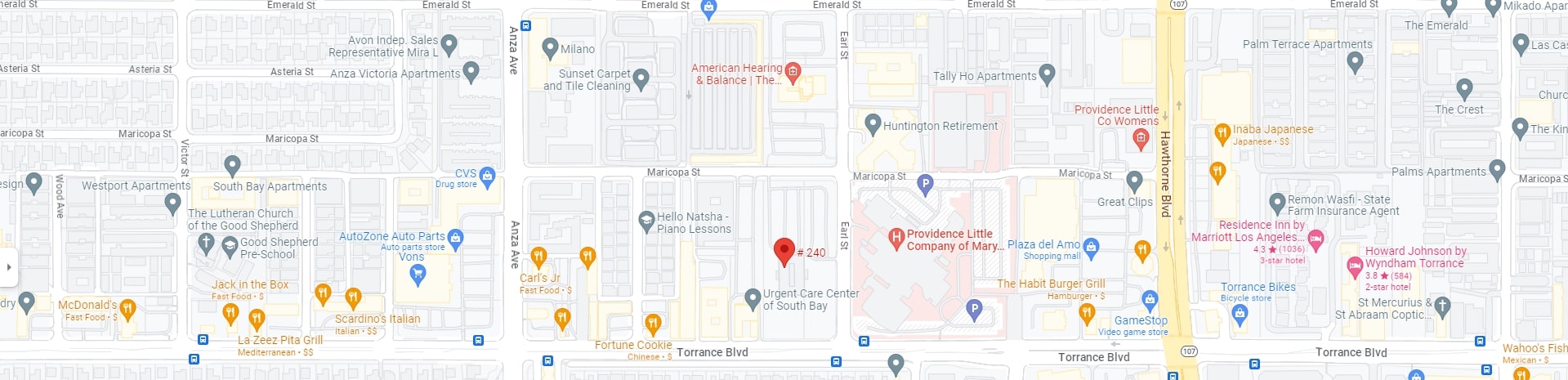
Acupuncturists identify specific acupoints and employ various acupuncture techniques, including needling, acupressure, and electroacupuncture, to stimulate them. If you want to manage your perimenopause symptoms naturally, you should reach out to us at Trinity Acupuncture. Our experienced practitioners will guide you and tailor your care to your specific needs. Contact us today at 310-371-1777 from Torrance, CA, to schedule an appointment.