For a lot of patients, it starts the same way: that first step out of bed in the morning is sharp, almost startling, right through the heel. It usually eases up after a few minutes of walking, only to come back later in the day after standing for a while, or the next morning, just as sharp as before. Some people notice it flares after a run or a long walk; others feel it worst after sitting at a desk all day and then standing back up. Many have already tried stretching the calf, rolling the arch with a frozen water bottle, or switching shoes, with only partial or temporary relief.
That cycle of better with movement, worse after rest, and never quite gone is a very familiar pattern, and it's usually what finally brings someone in.
At Trinity, dry needling for foot and heel pain starts with a thorough intake of the foot, ankle, and lower leg — questions about when the pain shows up, what activities provoke it, observation of how you stand and walk, and palpation up through the calf. We're not just checking the bottom of the foot. Ankle mobility, calf tightness, and lower leg mechanics all factor into how much load ends up going through the plantar tissue, so we look at that whole chain before deciding where treatment should focus.
We combine that evaluation with the needle experience that comes from years of practicing as licensed acupuncturists across a wide range of conditions and tissue depths. Treatment isn't based on a fixed set of points for "plantar fasciitis.” Rather, it's built around what your individual evaluation shows. When traditional acupuncture also fits your case, it can be incorporated into the same plan rather than treated as a separate add-on.
Plantar heel pain often develops gradually, as the tissue on the bottom of the foot is asked to absorb more load than it's adapted to handle. That can happen for a lot of reasons: a change in training volume or surface, new or worn-out footwear, prolonged standing on hard floors, or simply a period of increased time on your feet. Limited ankle mobility can also be one contributing factor. When ankle dorsiflexion is restricted, it can change the way the foot and lower leg move during walking or running and, in some patients, increase the demands placed on the plantar tissues.
It’s also important to remember that not all heel pain is plantar fasciitis. Pain directly under the heel can sometimes come from irritation of the heel’s fat pad, while burning, tingling, or electric-type pain may raise more concern for nerve involvement. Pain toward the back of the heel may point more toward the Achilles tendon or surrounding structures, and pain that becomes progressively worse with weight-bearing or follows a sudden increase in activity may warrant evaluation for a stress injury. Where the heel hurts, and when and how it hurts, gives us useful information about what may actually be involved.
Two patients can describe the same first-step morning pain and have different underlying pictures. One may have tight, overworked calf muscles along with restricted ankle motion that are contributing to the overall loading pattern. Another may have altered foot mechanics with little calf involvement at all. Understanding which is which changes where treatment should actually focus.
Plantar heel pain is felt at the bottom of the foot, but the factors keeping it irritated often extend well above the foot itself. Limited ankle mobility, calf loading, and lower leg mechanics can all increase the demand placed on the plantar tissues with every step you take.
This is why we assess the foot, ankle, and calf together rather than simply needling the painful heel. In some patients, an irritable or overloaded gastrocnemius or soleus, along with restricted ankle motion, may be contributing to the overall loading pattern. That's why treating only the point of pain without looking at what may be contributing to it can miss part of the picture.
Dry needling can be useful when tightness or irritability in the calf, or in the intrinsic muscles of the foot, is genuinely contributing to your symptoms. In those cases, treatment may help reduce muscle pain, sensitivity, or tension that is occurring alongside the plantar heel pain.
Dry needling doesn't mechanically repair or heal the plantar fascia itself, and we're careful not to suggest otherwise. What it can reasonably address is the muscular and myofascial component of the presentation — when that component is present. If your case appears driven more by mechanical or structural factors than by muscle tightness, we'll be direct about that rather than proceeding with treatment unlikely to help.
Depending on the evaluation, treatment may include dry needling of the calf and foot musculature found to be clinically relevant, traditional acupuncture, and recommendations related to ankle mobility or activity modification. Footwear is sometimes part of the conversation when it appears to be a meaningful contributor. In some cases, we'll suggest coordinating with a physical therapist or recommend a podiatric or medical evaluation if your presentation suggests something outside what dry needling is meant to address.
Not every case of heel or foot pain fits plantar fasciitis, and not every case is a good match for dry needling. A suspected stress fracture, significant swelling, inability to bear weight, or progressive numbness and tingling all warrant medical evaluation before considering treatment here. Pain that seems more consistent with Achilles tendon involvement, or with nerve entrapment rather than plantar fascia irritation, also needs a different approach. If your evaluation points in one of these directions, we'll say so directly and help point you toward the appropriate care.
How do I know if this is actually plantar fasciitis?
Not all heel pain is plantar fasciitis. Where the pain is located, when it tends to occur, what aggravates it, and findings from the physical exam can help us determine whether the presentation is consistent with plantar fasciitis or whether another cause should be considered. That's part of what we assess before recommending treatment.
Does dry needling hurt?
Most patients feel a brief cramping or aching sensation when the needle reaches an irritable muscle, especially in a tight calf. It typically fades within a few seconds to a minute.
Will stretching and dry needling be enough, or do I need physical therapy too?
It depends on what's driving your symptoms. If ankle mobility or muscle weakness is a significant factor, we may recommend working with a physical therapist alongside treatment here for a more complete approach.
How many sessions will I need?
That depends on how long the problem has been present, what's contributing to it, and how your body responds to treatment. We reassess as we go rather than prescribing a predetermined number of visits.
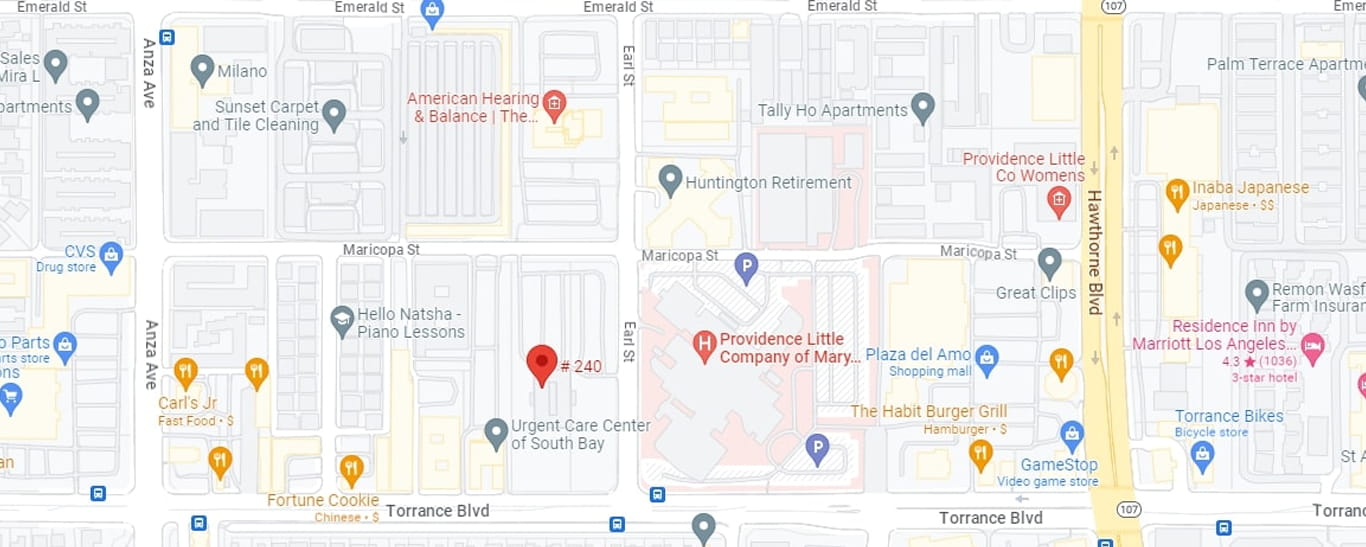
If heel or foot pain has been sticking around, the first step is figuring out what's actually contributing to it. An evaluation can help determine whether dry needling is appropriate and, just as importantly, when something else may be needed. Trinity Acupuncture is located in Torrance, CA, serving patients throughout the South Bay, including Redondo Beach, Manhattan Beach, Hermosa Beach, and Palos Verdes.
If you do not see your condition listed, please contact us. Many concerns are interconnected, and care is always personalized.