Low back pain can make it difficult for you to perform everyday activities. For individuals with this pain, sitting, walking, bending, and sleeping may become uncomfortable. For some people, the pain stays around the lower back. For others, it may travel into the buttocks and down one leg. If you experience these symptoms, you may be dealing with sciatica. If you consult your doctor about sciatica symptoms, they may recommend a wide range of treatments.
These include medications, physical therapy, dry needling, and acupuncture. Dry needling involves inserting needles into certain trigger points. Unlike acupuncture, dry needling focuses on musculoskeletal problems and muscle function. Whether or not the procedure can help with low back pain and sciatica depends on the cause of your symptoms. When performed by an experienced acupuncturist, the treatment may help reduce muscle pain and improve movement.
If you are unsure whether this treatment is right for you, you should consult an acupuncturist. The professional will help you understand the procedure, its benefits, and its limitations.
Dry needling is an alternative treatment procedure for addressing muscle pain and mobility issues. With this type of therapy, a professional inserts thin needles to stimulate specific points on the body. The needles used for dry needling do not introduce any substance or drug into the body. Instead, they target specific points. Trigger points are sensitive areas within a muscle that may cause pain when pressed.
Also, they can contribute to pain in nearby areas. When inserted at the trigger point, the needle may cause a brief muscle twitch. Some people feel a mild ache, pressure, or temporary discomfort during the dry needling procedure. For pain relief, needling may be used alongside other forms of physical therapy. These may include:
- Stretching
- Strengthening exercises
- Manual therapy
- Movement training.
If you experience back pain, your treatment will involve relieving the pressure on the gluteal area. The objective of treatment is to alleviate muscular pain and improve mobility. Dry needling is different from acupuncture despite the two methods using similar tools. Dry needling focuses on musculoskeletal pain and muscle function.
Dry needling does not work for all patients. The results you will receive after the treatment may vary depending on the cause of your pain and your overall health.
Low back pain and sciatica can occur together. However, they are not the same condition. Low back pain affects the area between the bottom of the ribs and the pelvis. The ailment may come about suddenly following injury or develop over time. Factors that lead to low back pain include:
- Muscle strain. Muscle strain from lifting heavy objects, sudden movements, or repeated bending causes muscle pain.
- Movement intolerance. Staying in one position for a long time might cause back pain in some people.
- Spinal disc disorders. Problems in the spinal discs may result in lower back pain.
- Arthritis. Changes in joint structure may contribute to back pain.
- Nerve irritation. Irritation of the spinal nerves causes back pain.
At times, the cause of the lower back pain may not be apparent. Most of the time, back pain can get better with proper exercises and management. If you have muscle tension, dry needling may be an effective treatment option. However, back pain caused by a fracture, infection, or another serious condition will require further treatment.
The pain arising from irritation or compression of the sciatic nerve is called sciatica. The sciatic nerve starts in the lower back, passes into the buttocks, and continues into both legs. Sciatica can affect one side of the body. The pain caused by sciatica ranges from mild to severe. It becomes hard for an individual to stand, walk, or sit for extended periods. The causes of sciatica are:
- Herniated disc. This occurs when a spinal disc bulges or ruptures. The damaged disc presses on a nerve root.
- Spinal stenosis. Narrowing of the spinal canal can put pressure on the nerves in the lower back, thus causing pain.
- Age-related spinal changes. Changes in the discs and joints may irritate or compress nearby nerves.
- Injury. An injury that affects the lower back may lead to nerve irritation.
The following are some of the symptoms experienced when one suffers from sciatica:
- Pain radiating to the leg
- Leg or foot tingling
- Leg or foot numbness
- Weakness of muscles
- Pain that gets worse with certain movements
Stiff muscles in the hip and buttocks area may also cause pain that mimics sciatica pain. However, sciatica results from irritation in the sciatic nerve and its roots. The difference between lower back pain and sciatica is a key factor during treatment. This distinction is because dry needling may help with associated muscle pain. However, it cannot remove pressure from a herniated disc or reverse spinal narrowing. If you experience nerve irritation, you may need a treatment plan that addresses the underlying cause.
If you experience back pain due to muscle tightness and sensitivity, your physical therapist will suggest dry needling for you. This is done by inserting small needles into certain points to stimulate your muscles. Some of the results that occur due to dry needling of your lower back include:
Reducing Muscle Tenderness
Some individuals with low back pain have tender points in their lower back or hip muscles. The tender points may feel painful to touch or with specific movement. Dry needling may help lower the sensitivity of such trigger points, thus making the muscles less painful during normal activities. However, not all back pain comes from trigger points. Before proceeding with dry needling, your therapist will assess the nature and causes of your symptoms.
Improving Movement
Muscle pain can make it difficult to bend, turn, stand, or walk comfortably. Sometimes, you are tempted to avoid certain movements because you expect them to hurt. If dry needling reduces your discomfort, you may find it easier to move. Following the dry needling treatment, your physical therapist may proceed with exercise training to develop strength, flexibility, and motor control. Dry needling is beneficial in alleviating pain and helping you regain normal function.
Modifying Pain Signals
Dry needling might affect the processing of pain stimuli in the nervous system. Needles might cause various local reactions and effects on the nervous system, including changes in pain sensation. This phenomenon might be one of the reasons for improvement after the procedure. Dry needling does not heal any spinal disc damage or nerve compression. Instead, it focuses on pain management and making movement easier.
For individuals experiencing sciatica, dry needling may help. However, the results depend on the causes of the symptoms.
When Muscle Pain Contributes to Sciatica
Muscles in the back and buttocks may become sensitive when you have ongoing back pain. These changes can place additional stress on certain muscles. Dry needling may help reduce the resulting muscle tenderness. Also, it may make it easier to participate in physical therapy exercises. These exercises can help restore movement and improve your ability to manage daily activities.
When a Spinal Nerve Is Compressed
Sciatica may occur if the nerve is irritated by a herniated disc or other issues. Then, you will feel pain, tingling, numbness, and weakness in your leg. However, dry needling cannot treat this condition because the issue is connected with pressure around the nerve. Despite the decrease in muscle pain from dry needling, you may still experience sciatica symptoms. These can include:
- Exercise-based physical therapy
- Activity adjustments
- Medication when appropriate
- Further medical assessment.
Dry needling should not replace an assessment of persistent or worsening sciatica. Instead, the therapist must understand the cause of your symptoms and recommend appropriate treatment.
Your first appointment for dry needling is an assessment. During the assessment, the practitioner will inquire about your symptoms, medical history, and activity level. Also, they might evaluate your back and movement. It can also identify symptoms that require further medical evaluation.
During the Procedure
In the case where dry needling is the appropriate treatment method, your therapist will inform you of what is involved in the process and get your permission before commencing. The therapist may require you to sit or lie in a position that allows them to access the affected muscles.
You may experience a brief prick, pressure, or muscle twitch. Some areas may feel more sensitive than others. The therapist will leave the needles in place briefly or move them gently. The approach used depends on the treatment plan. The number of needles and the length of the session may also vary.
After the Treatment
Once the process is complete, the needling stops, and the therapist checks your status to see how effective it was for you. You may experience some discomfort after your dry needling session. Your physiotherapist will advise you on how to cope with this. The therapist can also offer you exercise regimens to improve your movements.
If repeated sessions do not provide meaningful benefits, your therapist can reassess your condition and recommend other approaches.
Dry needling is a low-risk procedure. The treatment can offer relief for your pain and discomfort. However, some patients experience the following side effects:
- Minor bleeding or bruising. Small blood vessels may be affected during needle insertion. However, bleeding that persists after the procedure has ended may indicate more serious issues. If you have blood-clotting issues, you should discuss the problem with your therapist before dry needling.
- Brief symptom flare-ups. Your back pain may temporarily increase after treatment. However, such a reaction does not mean the treatment was ineffective.
- Dizziness or faintness. Some people feel lightheaded during or after needling. Therefore, you may need to rest after your appointment.
- Infection. If proper hygiene is not maintained during the procedure, you may suffer an infection.
You can avoid complications by consulting an experienced professional. In addition, you have to let them know your health history before your appointment. It is important to disclose to your dentist all the health problems you may be experiencing, including any bleeding problems and any medicines you may be taking that affect your blood-clotting ability. You should not attempt to perform dry needling on yourself. This is because incorrect needle placement can cause injury.
Dry needling may offer several benefits for selected patients. These include:
Short-Term Pain Relief
Back pain and sciatica can cause discomfort when you try to carry out your daily routine. You might experience pain relief for some time after undergoing dry needling. Some individuals feel less pain after the procedure or even in the days that follow. Temporary pain relief does not mean there is no improvement in your functioning.
Better Tolerance for Exercise
Back pain can make it difficult for you to perform your regular exercises. You may struggle to complete movements that would otherwise help improve your strength and mobility. If dry needling reduces muscle discomfort, you may be able to participate in a rehabilitation program comfortably. Your therapist may combine dry needling with gentle mobility exercises and strengthening activities. These treatments help address the problems that may be contributing to your symptoms.
Reduced Muscle Tenderness
Trigger points can make certain movements uncomfortable. They may also cause pain when you press on the affected muscle. Dry needling may reduce the sensitivity of these areas. This technique can be useful when muscle tenderness is an important part of your back pain.
Improved Daily Movement
When your back pain reduces, your everyday activities may become easier. This allows you to stand up from your seat, take a few steps, or move around. This will help in your recovery process. However, pain relief alone does not always lead to improved mobility.
Dry needling may help reduce muscle-related low back pain. Many patients report improved comfort after dry needling. However, dry needling cannot correct every cause of sciatica. The best approach for your condition depends on your symptoms and their underlying cause.
If you visit your doctor with sciatica symptoms, they will evaluate you to determine what actions to take to help you. If you are eligible for dry needling, it can be incorporated into your treatment regimen. If you suffer from persistent lower back pain or sciatica, you should consult an acupuncturist.
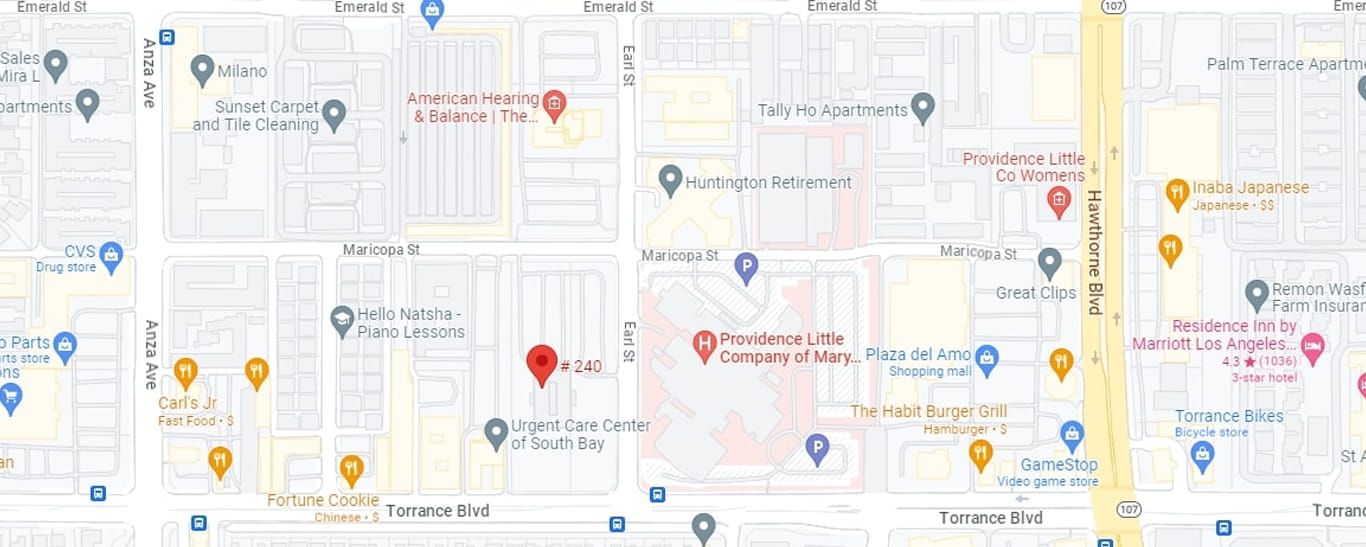
At Trinity Acupuncture, we offer safe and reliable services for our clients. Call us at 310-371-1777 from Torrance, CA, to book an appointment.