Perimenopause is a common biological process that occurs in women before menopause. It is the cessation of fertility and menstruation. This transition often begins at 30 years and can last as late as 50 years. The changing levels of estrogen usually cause several emotional and physical symptoms. You can experience heightened anxiety, joint pain, mood swings, sleep disturbances, night sweats, and hot flashes. These symptoms can last longer after menopause. They can also affect your relationships, daily life, and overall well-being.
Hormone replacement therapy (HRT) has been the common treatment for perimenopause symptoms. However, the risks associated with HRT include some cancers and cardiovascular diseases. This has led most women to seek non-hormonal and safer options, including acupuncture. Acupuncture is the safest and most popular form of traditional Chinese medicine. It offers a comprehensive and non-pharmacological method of treating perimenopause symptoms. This enhances sleep, emotional balance, and quality of life.
Perimenopause is a transition period before menopause. This can begin 8 to 10 years before menopause. Some women experience perimenopause earlier than others because their bodies differ. Perimenopause is also a period where the hormone levels in women’s bodies keep fluctuating, causing a wide range of symptoms, like mood swings and sleep disturbances, among others. Ovarian function also goes down as the body begins preparing to stop menstruating. The following are the typical symptoms during perimenopause.
- Hair loss, vaginal dryness, and weight gain
- Brain fog and memory changes
- Reduced energy and fatigue that can affect productivity
- Anxiety, mood swings, and irritability, which can affect how you relate to other people
- Disturbed sleep that makes a woman tired during the day
- Irregular or shorter periods
- Hot flashes that cause unpleasant night sweats
The above are regular changes that can be overwhelming. Acupuncture usually creates balance within the body, leading to a more effective response to hormonal changes. This can enhance your mood and overall well-being.
The following are some of the ways acupuncture can help during perimenopause:
Managing Menstrual Changes
Hormonal changes often cause the changes women experience during perimenopause, as the body prepares to stop menstruating. Addressing these changes can help manage the symptoms. This helps you feel better despite the changes occurring in the body.
Heavy bleeding, irregular menstrual flows, and skipped cycles are the common changes during the perimenopause period. You can experience one or more of these fluctuations during this period. Acupuncture can help regulate menstrual cycles by stimulating the production of the right hormones in the right amounts. Acupuncture also improves the functioning of the hypothalamic-pituitary-ovarian axis. The hypothalamic-pituitary-ovarian axis is the source of hormones that can address these changes.
Acupuncture can also improve blood circulation in the uterus and ovaries, helping manage cramps and menstrual cycles. This treatment acts holistically. It does not focus on a single part of the body but improves the function of various organs for better overall health. A patient will feel better once she starts acupuncture treatment.
An experienced acupuncturist will take you through acupuncture sessions with reduced side effects. Seek the services of a qualified and licensed acupuncturist. You can also request a referral from a person you know. Reviews and testimonials of an acupuncturist can help you understand what to expect before undergoing treatment.
Addressing Fatigue
During perimenopause, exhaustion and fatigue are common because of changes happening in your body. You may feel tired throughout the day, especially if you did not sleep well and have had other symptoms such as stress and mood changes. Digestive imbalances, hormonal changes, and sleep disruptions often cause tiredness during perimenopause. Fortunately, you can use acupuncture to address these issues.
Acupuncture is an effective way of enhancing energy levels in the body. It improves the function of organs such as the spleen and stomach, which are vital for converting the food a person eats into energy. The energy stored in your body will be depleted if your organs are not functioning properly. Stored energy often keeps you motivated and balanced.
Acupuncture treatment will help you sleep well by promoting a deep state of rest. It also plays a major role in your body's healing process. You will have sufficient energy throughout the day if you sleep well at night.
Additionally, acupuncture regulates the nervous system function and helps prevent inflammation. Inflammation is the main cause of tiredness, and preventing it can help you feel energized. You can only experience this with the help of a skilled acupuncturist. A good acupuncturist will use their skills to help you achieve the desired outcome.
Addressing Brain Fog And Other Brain Changes
Acupuncture treatment enhances blood flow in the body, especially in crucial organs like the brain. This helps supply the brain with vital nutrients for proper function. Sufficient blood supply to the brain also promotes the effective removal of toxins that interfere with proper brain function. This is important in addressing brain fog and other brain changes that you can experience during perimenopause.
Acupuncture is also an effective therapy for neurochemical modulation. This treatment can stimulate your nervous system to release crucial neurotransmitters, like dopamine, serotonin, and endorphins. These neurotransmitters improve sleep, promote alertness, enhance memory, and regulate mood.
The treatment also plays a major role in preventing neuroinflammation that causes brain fog and neurodegenerative diseases, particularly as you advance in age. It improves the body’s immune system, which helps it naturally fight inflammation. Inflammation is the major cause of most diseases. Acupuncture will regulate your nervous system, helping your body transition from a fight-or-flight state to a state of digestion and rest. This will help you stay focused, relaxed, and mentally clear. A fight-or-flight state is often caused by the changes related to perimenopause.
Acupuncture can help if issues like poor sleep, stress, and hormonal imbalances cause your mental fog. This treatment is a holistic approach to recovery. It promotes the body's natural functioning, enabling you to respond well to health issues.
Addressing Mood Changes
Acupuncture works better as a complementary therapy for addressing mood changes and improving conditions like stress, anxiety, and depression. A lot of mood swings characterize the perimenopause stage. At this point, your body transitions from normal functioning to something unfamiliar. Energy imbalance and hormonal change often cause anxiety, stress, and mood swings. However, you can use acupuncture to manage this easily and effectively. This treatment can regulate neurotransmitter levels and influence hormones such as norepinephrine, serotonin, and dopamine. Neurotransmitters play a major role in regulating the body. Your body can enhance the release of the feel-good hormones, which will make you feel happy and relaxed. This can alleviate symptoms of anxiety and depression.
Acupuncture also plays a critical role in balancing hormones. The production of stress hormones like cortisol helps your body naturally regulate its stress response. Additionally, acupuncture can help modulate your nervous system, which is important for digestive functions and rest. Regardless of the changes your body undergoes during perimenopause, you can begin to relax better. The fight-or-flight responses caused by stress can also be managed with a well-modulated nervous system.
Symptoms of perimenopause, like hot flashes, can also affect your sleep. Acupuncture is often used to influence the production of vital hormones, like melatonin, which helps treat discomfort that triggers insomnia. This can help you sleep well, which is important for your health.
Managing Night Sweats And Hot Flashes
You can suffer night sweats and hot flashes if the cool energy of your body decreases during perimenopause. Your internal body temperature can rise, causing episodes of excessive sweating and heat, especially at night. The good news is that acupuncture can reduce the frequency and severity of hot flashes. This treatment can stimulate your body’s natural symptom-relieving chemicals and other signals to influence the hypothalamus. The hypothalamus is a section of the brain that naturally controls body temperature.
An acupuncturist can help relieve your nervousness by targeting specific acupoints in the body. Acupuncture usually identifies specific treatment points and inserts tiny, sterile needles into them to enhance healing. This way, nerve pathways are stimulated to influence your nervous system, which produces endorphins and other vital hormones that can help your body naturally restore its balance.
The hypothalamus's function can influence your body temperature. This is important in reducing hot flashes and managing your body temperature. Acupuncture can help your body to naturally increase the levels of estrogen that are reduced during perimenopause. Once specific acupoints in your body are stimulated, estrogen production can be enhanced, which can relieve some symptoms. Acupuncture also reduces stress hormones, like cortisol, which promotes relaxation and overall well-being.
There are various acupuncture treatments used to treat perimenopause symptoms. However, each treatment has its own technique and curative effects. Understanding these treatments can help you make sound decisions, depending on your symptoms and comfort level. Some of the treatments include:
Laser Acupuncture
Laser acupuncture uses low-level laser therapy to stimulate acupoints. This treatment uses focused light energy instead of needles and is noninvasive and pain-free. Patients with needle phobia or conditions that contraindicate needling are recommended for this treatment.
Laser acupuncture is a mild treatment that can be used to treat various perimenopause symptoms, like sleep problems, mood disorders, and hormonal imbalances. This treatment has a photobiomodulation effect that stimulates cellular repair and energy production, which supports overall systemic balance.
Moxibustion And Acupressure
Moxibustion is a conventional treatment which uses the burning of dried mugwort close to or over acupoints to release warmth and trigger energy flow. This technique applies to patients who have joint pains, poor circulation, and who feel cold during perimenopause. On the other hand, acupressure applies manual pressure to acupoints without needles. It is a non-invasive and painless treatment. This treatment is suitable for patients with needle phobia and those who desire to practice self-care between acupuncture treatments. Routine acupressure is important in alleviating lesser cases of tension, fatigue, and anxiety.
Ear Acupuncture or Auricular Acupuncture
Ear or auricular acupuncture is developed on the premise that your ear is a tiny system of the entire body. Some parts of the ear are connected to glands, emotions, and organs. Acupuncturists often focus on the linked body parts and systems by placing tiny needles or using beads or seeds on these parts.
Ear acupuncture is a suitable treatment for emotional symptoms of perimenopause, like mood swings, anxiety, and irritability. It also helps in stress management and hormonal balance, which tends to enhance perimenopause symptoms. In some situations, ear acupuncture is used alongside conventional body acupuncture to provide a more holistic treatment.
Electroacupuncture
Electroacupuncture is an enhanced type of conventional acupuncture, in which gentle electric currents are transmitted between inserted needles. This stimulation promotes treatment by enhancing the duration and intensity of muscle and nerve activation. This treatment is suitable for patients with persistent or severe symptoms, like insomnia, chronic pain in joints, and hot flashes.
Electroacupuncture can trigger the release of the body's natural pain relievers: serotonin and endorphins. As a result, it enhances sleep quality, decreases inflammation, and regulates body temperature. This treatment can also restore hormonal balance by influencing the hypothalamus-pituitary-ovarian axis, which regulates reproductive hormones.
Traditional Hand Acupuncture
Conventional hand acupuncture is a popular treatment method. Ultra-fine sterile needles are used to stimulate specific acupoints along the body's energy meridians.
During perimenopause, specific acupoints are selected to influence the hormone balance, enhance blood circulation, and relax the nervous system. The acupoints are usually located along the liver, spleen, and kidney meridians and are associated with emotional and reproductive health.
Conventional acupuncture is ideal for patients with mood swings, night sweats, sleep disturbances, and hot flashes. Routine therapy can restore energetic balance, which is believed to be reduced with age and hormonal changes.
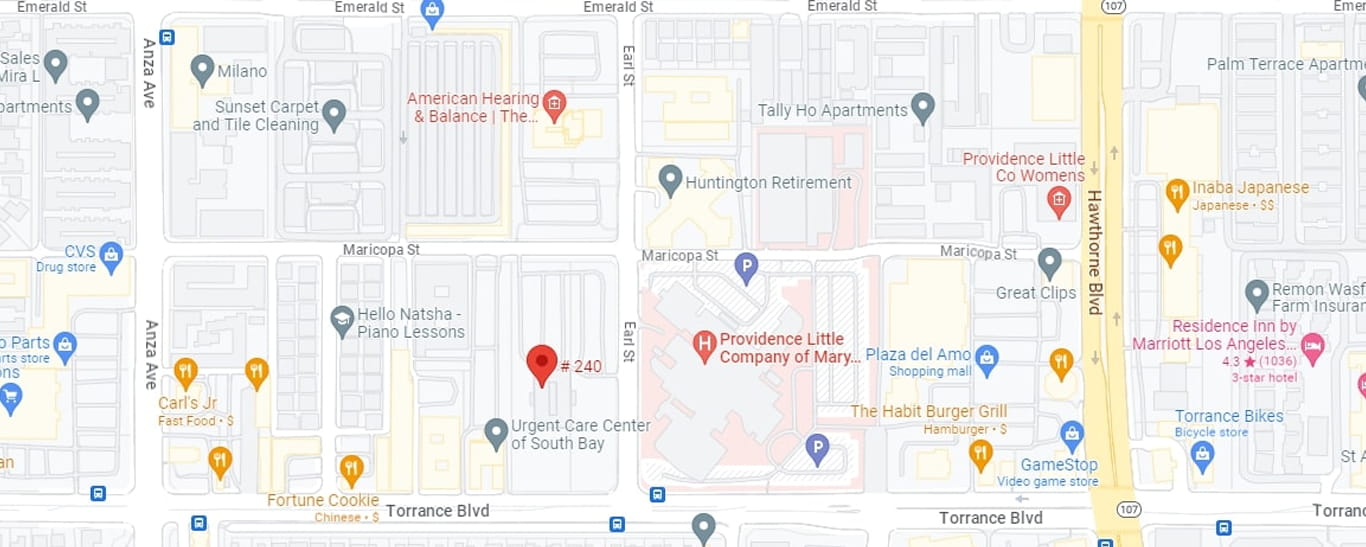
Acupuncture is a safe, conservative, and drug-free treatment that is effective in managing perimenopause symptoms like sleep disruptions, hot flashes, and mood changes. It works by influencing the neurotransmitters, calming the nervous system, and enhancing the body’s natural response to hormonal shifts. If you or a loved one is experiencing perimenopause symptoms and is looking for a treatment that works in Torrance, CA, contact Trinity Acupuncture. Call us today at 310-371-1777 to speak to one of our acupuncturists.