Hormones play a major role in how your body functions and how you feel daily. They affect your reproductive health, energy levels, metabolism, and mood. Most body systems work more efficiently when the hormones are in balance. You can experience chronic brain fog, irregular menstrual periods, irritability, or fatigue when hormones are out of balance. Most doctors describe this situation as ‘’hormonal havoc.'
Treatment for the imbalance depends on the cause and can include hormone therapy, medications, and lifestyle changes. The cause of hormonal imbalance cannot be addressed by traditional treatment methods alone. Alongside standard care, some patients choose complementary options such as acupuncture. Acupuncture is among the most preferred therapies in Traditional Chinese Medicine. This treatment is continually being tested for possible effects on hormone-related signs. It can clear symptoms and enable the patient’s body to restore balance, transitioning from hormonal havoc to harmony.
Hormones are the chemical messengers that regulate most of the crucial functions of your body. Your entire body might not function well when there is a slight imbalance in this delicate system. Hormonal imbalance is a leading indicator of high stress levels because cortisol, the stress hormone, can affect your thyroid and reproductive hormones. Sleep behaviors, diet, and underlying medical conditions like Polycystic Ovary Syndrome (PCOS) also play a major role in ensuring the health of your hormones.
Acupuncture has a different, more traditional perspective on these symptoms. Chinese traditional medicine men claim that your health is determined by the free and harmonious movement of Qi, which is an important life force energy in your body. Hormonal imbalances are believed to result from disturbances in this flow. The imbalance is also often linked with disharmony in organ systems, particularly the liver and kidney meridians.
According to Traditional Chinese Medicine, the kidneys are the source of life and hold vital energy that controls reproduction and growth. The liver is often responsible for the free, unobstructed circulation of blood and Qi throughout the body. The delicate ballet of your hormones can be disrupted when these systems are unbalanced, whether by fatigue, poor diet, or stress. This is a cause of the hormonal havoc people experience.
In traditional Chinese medicine, your body is thought to have pathways called meridians. The meridians help Qi, an important form of energy, flow. Illness and discomfort can take hold when this flow is blocked or unbalanced. Acupuncture often restores balance by stimulating specific points along the meridians
In modern medicine, acupuncture interacts with the nervous and immune systems. Acupuncture needles can do the following when they are inserted into the body:
- Enhance blood flow to targeted areas, promoting healing
- Stimulating nerve endings, causing the release of natural painkillers like endorphins
- Reducing inflammatory signaling in the body
- Influence neurotransmitters and stress responses
The impact of acupuncture on the body is not by chance. Certain nerve fibers, especially those in the limbs, trigger anti-inflammatory responses when stimulated. This is the reason behind some injection points releasing stronger therapeutic effects than others.
Acupuncture goes beyond ancient art because it is a complex treatment with measurable, physiological impacts on the inner control mechanisms of your body. Most doctors are confirming how acupuncture mediates between the modern notion of neuro-endocrine functioning and the ancient notion of Qi. This treatment triggers a series of biochemical reactions by stimulating certain parts of a patient’s body to help the body systems gradually return to a state of natural balance.
Optimizing The HPO Axis And Blood Flow
The impact of acupuncture on the Hypothalamus-Pituitary-Ovarian (HPO) axis can be significant in people who experience menstrual irregularities, menopausal symptoms, and fertility issues. HPO is a complex regulatory system that governs the production and release of key reproductive hormones, including luteinizing hormone, follicle-stimulating hormone, progesterone, and estrogen.
Doctors claim that acupuncture can be used to regulate estrogen and enable patients to have more normal ovulation and menstrual periods. Additionally, acupuncture can enhance blood flow to the reproductive organs. This increased circulation ensures that your uterus and ovaries receive the essential nutrients and oxygen required for effective function. Nutrients and oxygen are important in menstrual and reproductive health.
Clinical Study Highlights
The benefits of acupuncture are both theoretical and clinical. Its use in treating various hormonal conditions has growing scientific proof. Most doctors claim that acupuncture can effectively reduce the severity and duration of PMS symptoms. This treatment plays a major role in women going through the menopausal transition. It can greatly reduce circulating cortisol levels. Acupuncture also helps the body respond to stress and is used as a viable therapy to restore hormonal balance.
Using Neurotransmitters And Endorphins
Acupuncture often involves stimulating specific points on the body with an acupuncture needle. It signals the patient’s brain to produce a cascade of potent neurochemicals. Some of the chemicals include endorphins. Endorphins are natural pain-relieving and mood-enhancing substances in the body. This is why patients experience a deep sense of relaxation and good health during and after treatment.
In addition to stimulating endorphin production, acupuncture increases the production of neurotransmitters such as dopamine and serotonin. These chemicals are vital in increasing your energy levels, enhancing concentration, and controlling your mood. This can be negatively affected by a hormonal imbalance. Acupuncture is a natural energy boost which utilizes this energy to help a patient feel better.
Regulating The HPA Axis And Cortisol
Acupuncture directly affects the central stress response system. The hypothalamic pituitary-adrenal (HPA) axis is stimulated, which is one of the ways in which acupuncture helps a patient’s hormonal health. The axis often goes into overdrive when a patient is overstressed, continuously producing cortisol. This plays an important role in short-term spurts, but it also increases cortisol levels, which can impact reproductive hormones. The thyroid will be slowed down, and cause havoc in a patient’s general health. Acupuncture is used to stimulate the parasympathetic nervous system when the body is at rest and digest mode. This helps in reducing the HPA axis. The relaxing impact reduces the circulating cortisol levels, which gives the physiological room for other hormones to get back to their normal rhythm.
Acupuncture can address both the cause and the symptoms a patient experiences because it is a holistic treatment of hormonal concerns. It is a personalized therapy that is effective for various issues that both men and women experience.
Hormone Balance For Men
Men also experience hormonal issues. They are vulnerable to hormonal imbalances, especially when testosterone levels reduce or when cortisol levels are high because of stress. This can cause insomnia, moodiness, loss of sex drive, and fatigue. Acupuncture is a natural treatment that helps the patient’s endocrine system work well. This treatment is important in men for balancing hormones. It increases testosterone, boosts energy, reduces the effects of stress, and supports overall health.
Thyroid And Metabolism
The thyroid is a master gland that controls metabolism. You can experience brain fog, unexplained weight loss or gain, and constant fatigue when it is not working well. Acupuncture is an adjunctive medication in thyroid disorders, including subclinical hypothyroidism. It enhances communication in the endocrine system and reduces inflammation. This helps treat debilitating symptoms and maintain the body's overall metabolic balance. Acupuncture can make a patient feel more energized, clear-headed, and in control of their health.
Helps Women From Menstrual Cycles To Menopause
Most women experience hormonal changes every month. Sometimes, this can be a nightmare for some women. Acupuncture can treat conditions like PCOS, PMDD, PMS, and other menstrual issues. It plays a major role in normalizing the menstrual cycle, alleviating mood swings, bloating, and debilitating cramps.
Acupuncture is an effective treatment for PCOS or PMS. This treatment works well for women diagnosed with PCOS who have not had a period in more than six months. Menstrual cycles can normalize after a few acupuncture sessions.
Additionally, acupuncture can address specific concerns of the menopausal transition, including sleep disturbances and hot flashes. It is also an effective solution for women who experience night sweats and poor sleep during perimenopause.
Acupuncture is effective in enhancing hormonal balance. This treatment works best when combined with positive daily practices that support overall health. A combination of acupuncture and proper lifestyle habits helps the body sustain the balance needed during acupuncture sessions. An appropriate diet is one of the solutions for hormonal imbalance, which includes whole foods that are not processed. Warming foods and spices like turmeric and ginger are vital for healthy digestion. Eating cold or raw food is not recommended because it can weaken your digestive system.
Stress control is also important. Practices like tai chi, deep breathing, and meditation are effective stress-management techniques. They can help regulate the nervous system and prevent excessive cortisol production.
Moderate and regular exercise that you enjoy, like yoga or walking, plays a major role in healthy circulation and metabolism without depleting your essential energy or Qi. You should also ensure you sleep well by maintaining a relaxing bedtime routine. A sleep of seven to eight hours is sufficient every night. This will help your body repair, recharge, and balance its hormonal mechanisms.
As a new acupuncture patient, the experience can be strange. However, the treatment is often gentle, personalized, and highly relaxing. Knowing what to expect during a consultation can help you reduce uncertainty. It also gives you confidence in taking this step towards better health:
Initial Visit And Individual Treatment Plan
Your initial visit will begin with a comprehensive and extensive consultation. The acupuncturist will focus on your entire health. He/she will inquire about the primary symptoms, emotional condition, energy, digestion, sleeping, and your health history. This will help the acupuncturist in identifying a specific pattern of hormonal imbalance. After consultation, the acupuncturist will develop a personalized treatment plan to address your concerns.
During the actual therapy, the acupuncturist will ask you to lie down comfortably. He/she will insert fine and sterilized needles at specific parts of your body. The sensation is usually a slight pinch, which clears fast, leaving you with a sense of deep relaxation.
Finding An Experienced Acupuncturist
Selecting the right acupuncturist is important for a safe and effective treatment experience. Ensure you choose a licensed acupuncturist. The license you should consider is the National Certification Commission for Acupuncture and Oriental Medicine (NCCAOM). A practitioner can only secure this license after undergoing intense training and complying with safety regulations.
You should ask some questions before committing to a treatment plan. Inquire about the following from your acupuncturist:
- How does the acupuncturist treat hormonal imbalances
- The standard treatment plan for a patient with your symptoms
- Whether the acupuncturist combines other treatments like herbal medicine
An experienced acupuncturist will address all your concerns.
Most patients feel relaxed after the needles are removed. Some will experience a sense of lightness and alertness. You will experience improvement slowly over subsequent sessions or immediate relief from symptoms. You should avoid heavy meals, alcohol, and strenuous activities on the same day, particularly if you feel light-headed or tired. Some patients resume their normal duties, but you should allow your body to rest and respond to the treatment. Sometimes, you can experience slight side effects like bruising, soreness, or light bleeding at injection needle sites. However, this often clears within one day. Notify your acupuncturist if you experience anything unusual after treatment, like dizziness and persistent discomfort.
Having a hormonal imbalance can be stressful, but it does not have to compromise the quality of life of a patient. Acupuncture is a time-tested therapy which can help your body regulate and heal naturally. The advantage of this treatment goes beyond mere symptom relief. It also helps relieve chronic stress and enhances sleep. Additionally, it provides specific relief from PMS, thyroid, and menopause issues. You can get relief from hormonal havoc with the right acupuncturist and complementary lifestyle changes.
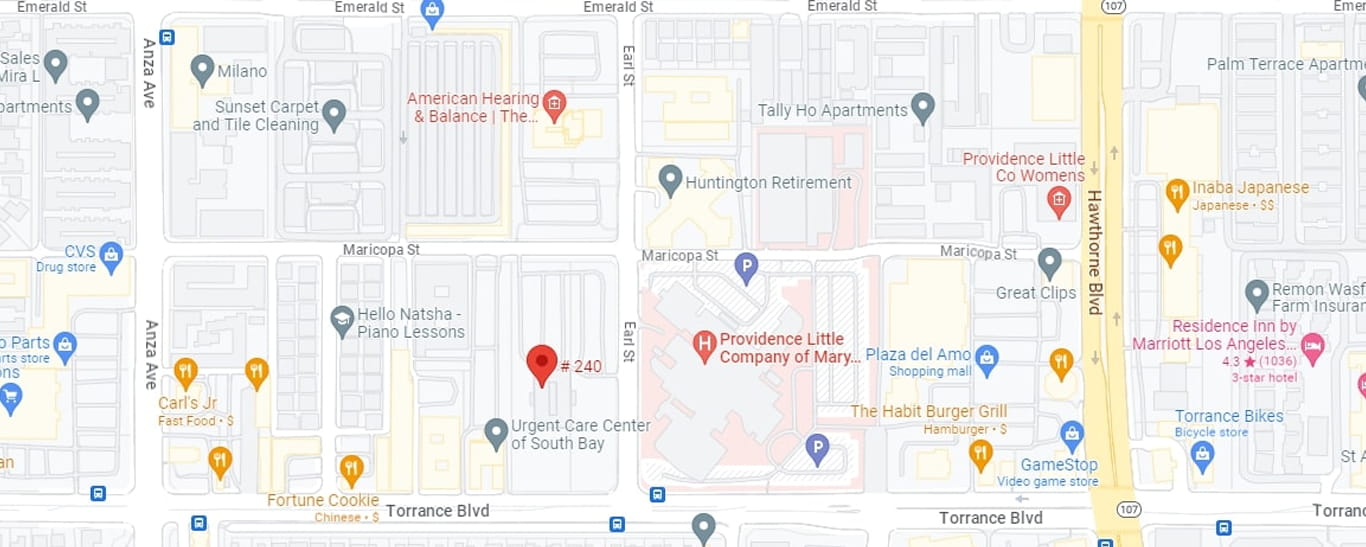
At Trinity Acupuncture, we offer natural, safe acupuncture therapy that can relieve stress, boost energy, and support long-term hormonal health in Torrance, CA. Reach out to us at 310-371-1777 to talk to one of our acupuncturists.