As an athlete, you always engage in strenuous exercises, whether in practice or during competitions. Placing a lot of pressure on your body can cause physical stress, leading to sore muscles, pain, and fatigue. The practice of sports massage has become common among athletes to help them manage physical stress, muscle tension, injuries, and muscle recovery.
If you want to try sports massage, one question that might be burning in your mind is how many treatments you'll need. The answer to the question hinges on the intensity of your sport, your injury history, your budget, your physical condition, and your training levels.
Before delving into how often you need a sports massage, it is crucial first to establish the reason for seeking it. The best time to ask why you need a sports massage is during your first appointment with your massage therapist. Understanding the reasons you seek the massage sessions during the first appointment helps you develop a plan or protocol to help you achieve your goals. The common reasons athletes seek sports massage include the following:
- Relieve pain without using medication
- Reduce physical stress and promote relaxation
- Prevent injuries
- Proper and faster muscle recovery
If you are struggling with pain, especially one that does not go away even with pain relievers, sports massage should not be your first consideration. First, consult a physiotherapist for a physical examination and accurate diagnosis. Once the cause of the pain is established, your doctor advises you on whether to pursue sports massage or explore other options.
Massage is only meant to complement your training program and lifestyle. If you must have a massage session after every training or before a competition for you to perform optimally, something is wrong. Massage can only help you feel better, but you will need to work with a physiotherapist to cure the problem or prevent its recurrence
Sports massage must be assessment-driven and customized to your movement patterns and restriction areas. Massage supports recovery and enhances blood circulation and tissue mobility. Sports massage encompasses different methods, such as deep tissue massage and trigger point massage.
While many sportspeople view the massage therapy primarily for relieving stress and relaxing, there are many other advantages to this treatment. If done correctly, massage therapy can help in alleviating both acute and chronic pain as well as improving recovery. Blood circulation in the body improves significantly as a result, and nutrients from foods are delivered throughout the body to flush out old and dying white and red blood cells.
This is how massage therapy operates. It stimulates the parasympathetic nervous system, lowers your stress hormone levels, enhances relaxation, and increases dopamine levels. The stimulation alone reduces physical stress and your perception of pain. Apart from helping you relax, massage directly impacts the muscles, connective tissues, and fascia, enhancing your movement and relieving pain.
Relieving Pain and Muscle Work
Many athletes suffer from muscle knots or tightness, muscle tension, and restricted movement due to repetitive strain, sports injuries, or physical stress. Prolonged muscle contraction can cause your muscles to shorten, stiffen, or become inflamed, leading to dysfunction and acute pain. If you press these trigger points, you feel soreness or tenderness. Tenderness does not necessarily mean you have an actual knot in your muscle. It is the muscle fibers that have actually contracted, preventing blood flow to the affected muscles. Blood circulation transports oxygen to these muscles, keeping them healthy. When the blood supply is cut off, the muscles are starved of oxygen, which causes pain and sensitivity. No amount of stretching can restore the blood circulation and oxygen supply. You will require a deep-tissue massage to stimulate the specific trigger points.
Sports massage targeting these areas improves blood circulation, enhancing oxygen and nutrient delivery to tired or contracted muscles. This delivery of nutrients helps with tissue repair, while improved blood flow flushes waste products from the area, which are responsible for muscle soreness or stiffness.
Also, sports massage breaks down or relaxes the tight trigger points caused by muscle fiber contractions, which are responsible for chronic pain and muscle stiffness. Vigorous training can lead to prolonged muscle contractions, resulting in reduced flexibility and muscle pain. Massage manipulates these muscle tissues to break the triggers, thus restoring your flexibility, relieving muscle tension, reducing sensitivity, and easing your movement.
Improving Joint Flexibility and Mobility
Most activities athletes engage in require movement. Therefore, as an athlete, you need to be comfortable when moving around. Your movement depends on the health and functionality of your joints. If your joints are flexible and move comfortably, your performance in sports improves. Stiff muscles and connective tissues may make joint flexibility difficult due to reduced mobility and increased risks of injury.
Your muscle stiffness makes it hard for you to move due to the muscles pulling your joint. Through massage, your therapist will stimulate these muscles, causing them to relax, meaning that the muscles will not pull your joint anymore, making it easy for you to move without feeling any pain.
Furthermore, the therapy improves the blood flow in your joints and ligaments and the surrounding soft tissues, thus making them slippery; hence, improving joint flexibility. With improved joint flexibility, your stretches will be more effective.
Massage is Key to Long-Lasting Relief and Prevention of Future Injuries
The connective tissue surrounding and holding together your muscles, organs, and bones is known as facia. Being elastic and flexible, this tissue helps you move easily. Physical stress, sports injuries, or bad posture may lead to the inflexibility of this tissue, which makes it hard for you to move comfortably and causes tension in the muscles. Fortunately, thanks to sports massage, you can get rid of the inflexibility of the connective tissues to avoid further injuries. Some sports massage techniques that can affect your facia include deep tissue sports massage and myofascial release massage.
Massage Improves Performance, Especially when Combined with Acupuncture
As an athlete, the effectiveness of your performance depends on how well your body works in general. Small problems, such as muscle fatigue and insufficient oxygen transfer to your muscles, may result in less energy and stamina, thus lowering your performance. Failure to address these challenges will lead to decreased performance and more difficulties while training, and the feeling that nothing is improving.
Fortunately, deep tissue massage therapy can improve blood circulation and promote quick muscle recovery. Better blood flow means the muscles receive enough oxygen, improving endurance.
Massage can also help you maintain high performance by keeping your muscles relaxed, which improves mobility and leads to better and consistent performance.
Deep massage has been practiced for thousands of years, with Chinese writings on the modality dating back to 2500 BC. This means massage has been tested and proven to address various issues over time, which is why the practice remains popular today in various fields, including sports.
Over the years, many studies have been done on the advantages of sports massage. Even though the results from these studies have been mixed, there have been indications that deep tissue massage for athletes positively influenced athlete performance and reduced the risk of future injuries.
Sports massage, when performed by a qualified massage therapist, can offer several benefits to athletes. Unlike pain relievers and muscle relaxation medications, which can cause harm after prolonged use, sports massage, when performed by a professional, will not cause harm. Instead, it will help with muscle relaxation, pain relief, improved flexibility, and overall sports performance.
Now that you know why you require a sports massage and how it works, it is time to determine the number of sessions you need for optimum results. The frequency of the massage sessions hinges on your specific experience during the session and the benefits you aim to derive from the modality. There are athletes who are not fans of sports massage and would prefer to stretch or perform other exercises instead of scheduling a massage session. Other athletes have become so fond of massage that they have even made it part of their training routine.
Factors that influence sports massage frequency include:
- Your Overall Health
If you are not struggling with sports injuries and chronic illnesses, you can schedule a massage with a professional regularly because the risk of injury from the massage is minimal. However, if you have an injury or illness, your massage therapist must develop a protocol that caters to your specific needs. The number of sessions depends on the severity of the condition and the progress made.
- The Goal for Seeking Treatment
If you are suffering from an injury or experiencing muscle stiffness and seek to release the muscle tension or recover from the injury, your therapist will schedule multiple sessions, two or three, in the first few weeks of the treatment. As you progress, the number of sessions can be reviewed downwards. An experienced massage therapist will first establish your goal for seeking sports massage, then develop a tailored plan that includes the frequency of your sessions to meet your objectives.
- Activity Level
Similarly, if you are training vigorously and demanding a lot from your body, you will require a massage to reduce fatigue and muscle tightness, and to help reduce the risk of injury. If you are training 10 to 15 hours a week towards a competition, it is best to schedule a massage once a week. With this high level of training, sleep is not enough for faster muscle recovery and rest. You will need a deep tissue split-session massage every week. The first session should focus on the lower body, the second week on the upper body, and the third on the overall body.
If you train for recreational purposes, sleeping and drinking enough water can keep your muscles relaxed and free of waste. However, you will still need a sports massage once a month to relax muscles that may be slowly becoming tight. If you feel muscle stiffness even after resting, or a shoulder muscle knot, you will require two sessions a week to break down the knot.
Athletes who train for six to nine hours a week will require two to three deep massage sessions because muscle damage builds up fast. That way, your therapist can keep the fascia flexible and elastic. You should schedule these sessions before your rest day.
- Your Experience in the Previous Session
Sports massage should not cause harm. However, a light massage might not stimulate the muscle tissues enough to relieve pressure. Massage therapists use the deep tissue technique, applying sufficient pressure while exercising caution to prevent bruising or injury. Each patient has a unique experience. Some will feel sore the day or two after the massage, and having another session would do more harm than good. In that case, you might have one session a week or two per month. However, it is good to share your feedback with the specialist so that they can adjust the protocol or sessions based on your experience.
- The Duration of the Effects from the Massage
If you seek relaxation, muscle relaxation, or recovery from fatigue, sports massage can help. However, the results vary from one person to another. For some, the results of the therapy can last for weeks or months, while for others, only a day. If the results from the modality are short-lived or last only a few hours, you are not reaping the benefits; more sessions will be a waste of money. If the effects last for a month, then you can schedule an appointment every month.
- Your Budget
Massage therapists charge a fee for every session. If you schedule more sessions, you will spend more money. Therefore, discuss the number of sessions you need and make necessary adjustments to match your budget. If you are working on a low budget, you want to have the minimum number of sessions per week or month required to achieve your objectives. Your decision on the frequency of treatment should not be dictated solely by your budget. You should also have the reasons for the massage in mind, because a very few sessions might fail to achieve your goal.
Sports massage is crucial for amateur and professional athletes, especially those struggling with injuries and chronic conditions who are still training and competing vigorously. Massage therapy reduces pain, releases muscle tension, promotes quick recovery, and sometimes prevents future injuries. If you are considering the treatment, consult with an experienced massage therapist.
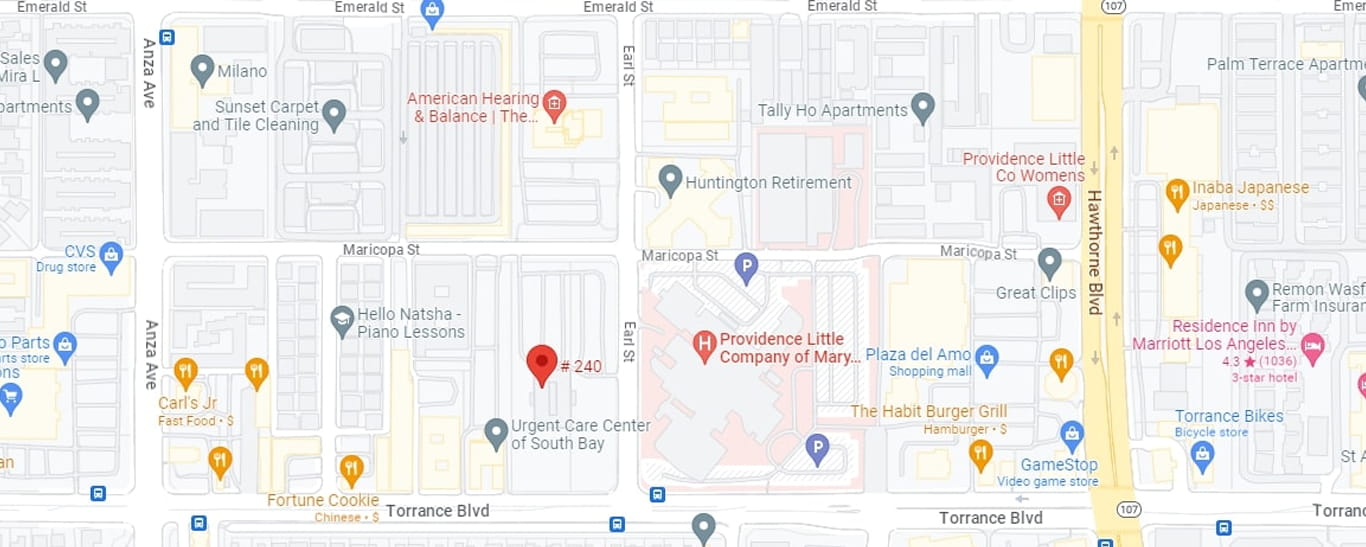
At Trinity Acupuncture, we will assess your condition and the reasons you are seeking massage and develop a treatment plan that includes the frequency of your massage sessions to help you relax and heal. Our acupuncturist can even combine massage with acupuncture to enhance performance and minimize the risk of injury. Call us at 310-371-1777 to discuss your protocol and massage frequency in Torrance, CA.