Clinical massage for chronic pain involves manipulation of the specific body's soft tissues, like muscles, fascia, and connective tissues, to resolve the root problems causing pain, rather than just providing short-term relaxation. Myofascial interventions can alter cellular metabolism and modulate the central nervous system's nociceptive signalling system.
This article discusses how massage interventions for pain relief alleviate treatment-resistant chronic pain conditions, according to modern clinical biomechanics and neurology. You also learn the proven methods of focused clinical massage, the changes it causes in brain chemicals, and how it can work together with acupuncture, giving you a solid, research-backed plan for managing chronic pain without relying on medication.
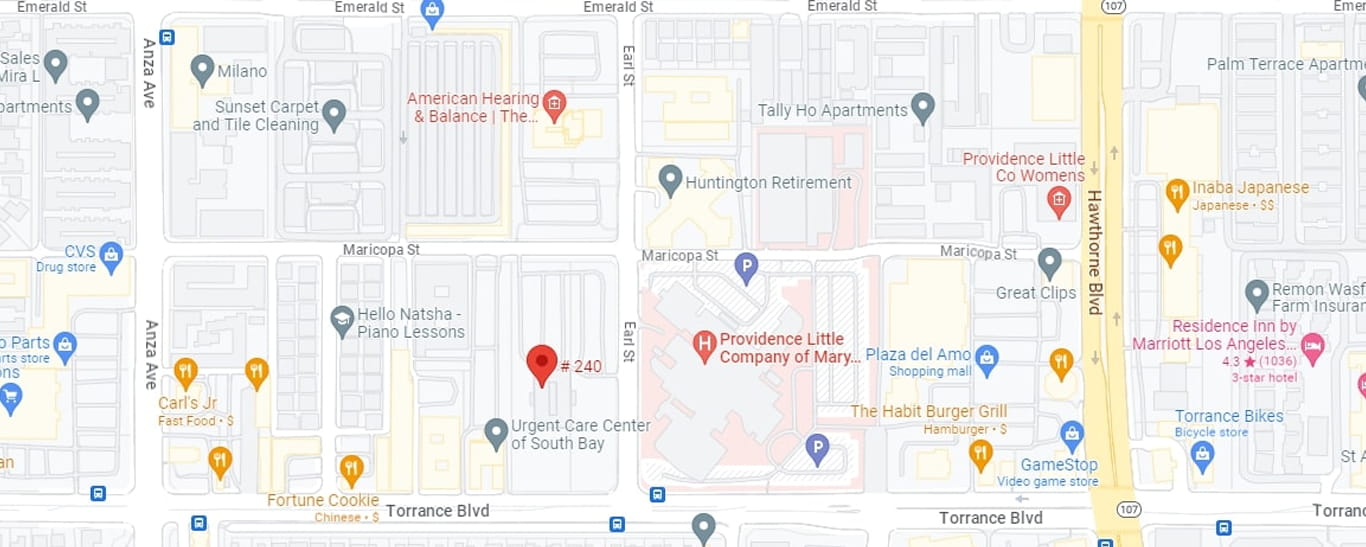
Patients with chronic pain may benefit from combining clinical massage with other modalities through our integrated clinical support in Torrance program.
For persistent, chronic pain, your doctor may offer some conventional medications, but they only mask the mechanical imbalances. Clinical massage should not be perceived as a luxurious pleasure but as a medical intervention that has been extensively studied and is of a high level.
The massage's physiological processes occur at the cellular and neurological levels. If you experience trauma to soft tissues, your body triggers an inflammatory cascade. This defense mechanism becomes a permanent, dysfunctional condition when left unaddressed. Clinical massage therapy physically intercepts this physiological error.
Your muscles and tissues are gently treated to do the following:
- Restore normal blood flow
- Help with lymphatic drainage
- Remove harmful waste that builds up in tight areas
Your massage therapist will examine how this intervention specifically retunes your body's pain responses in the modern world.
Stopping the Pain-Spasm Cycle
Chronic pain triggers a vicious physiological feedback mechanism called the "pain-spasm cycle." In the event of an injury, your nervous system automatically triggers localized muscle guarding. This involuntary contraction serves as a natural splint, cushioning the weakened region.
However, long-term guarding constricts local blood vessels, severely limiting crucial arterial blood flow. This anaerobic condition denies your tissues oxygen, which leads to cellular distress. As a result, the products of metabolism are stored quickly in the muscle. This accumulation of toxins irritates the nociceptors, which send new signals of pain to your brain. The brain reacts to the pain by telling the muscle to contract further, which traps you in an endless loop.
The pain-spasm cycle needs to be broken with direct mechanical intervention. Clinical massage uses systematic pressure to physically stretch and separate compressed muscle fibers. The localized ischemia resolves as the practitioner lengthens the muscle. New blood enters the tissue, violently washing away stagnant waste. Your nervous system, aware of the re-established homeostasis, breaks the spasm loop.
Gate Control Theory of Pain
To understand how soft tissue manipulation can alleviate chronic pain, you should study the gate control theory of pain. Your nervous system is a complicated highway of sensory transmission. Damaged tissues send their pain signals via small-diameter nerve fibers directly to the dorsal horn of your spinal cord.
The dorsal horn serves as a neurological gatekeeper, determining which signals your brain consciously perceives. The gate control theory argues that non-painful tactile stimulation can close this neurological gate. When you receive a specific clinical massage, the therapist's deep strokes will stimulate your large-diameter mechanoreceptors.
These sensory nerve fibers transmit touch information at a much higher speed than the small-diameter pain fibers. Tactile signals travel faster, so they reach the spinal cord earlier and literally block incoming pain signals. The nervous system's interaction with massage therapy creates a strong physiological blockage. Instead of the painful agony of your permanent injury, you experience the physical pain of the therapist's hands.
Endorphins and Cortisol Suppression
In addition to mechanical separation and neurological gating, clinical massage radically alters your internal biochemical environment. Constant pain exposes your body to a continuous systemic stress, and your adrenal glands are forced to release too much cortisol.
Long-term corrosive effects of high cortisol include the following:
- Enhances systemic inflammation
- Weakens your immune system
- Makes you more sensitive to pain in your nervous system
Specific soft-tissue manipulation provides a deep chemical recalibration. Scientific studies have shown that intensive clinical massage results in significant decreases in endorphin and cortisol levels.
When the massage therapist manipulates your deep fascial layers, your cortisol production decreases significantly. At the same time, this specific pressure activates the parasympathetic nervous system, which releases a flood of strong neurotransmitters, namely serotonin and dopamine.
More to the point, the treatment triggers the release of endogenous opioids, the so-called endorphins, instantly. The same receptors in your brain that prescription opioid drugs bind to are the same receptors that endorphins bind to, providing strong pain relief, without any pharmacological dependence.
Clinical massage is a chemical override of your chronic pain state by inhibiting cortisol and increasing endorphins.
Clinical massage is much more than the generic, superficial strokes found in traditional relaxation therapies. Chronic pain is a complex issue that needs highly specialized and targeted clinical massage methods that are specific to your anatomical dysfunctions.
An experienced massage therapist can examine your special pathology to determine the precise cause of your pain. Instead of using a universal method, the therapist uses certain modalities designed to reach different levels of muscle and connective tissue.
The massage therapist could discuss two main methods for treating severe muscle and joint pain, focusing on how they relieve fascial tightness and address sensitive nerve issues. These techniques achieve better clinical results by actively reversing tissue degeneration and instantly restoring normal physiological orientation.
Deep Tissue Trigger Point Therapy
When you experience persistent regional pain in a particular part of your body, what causes your pain is actually in a totally different part of the body. Trigger points, which are extremely irritable knots in tight bands of skeletal muscle, cause this phenomenon. Chronic muscle overload, improper posture, or direct physical trauma can lead to the formation of these microscopic areas of acute neurological suffering.
One of the main features of a trigger point is that it refers to pain, meaning it causes painful sensations in other joints. The ultimate clinical intervention for this particular pathology is deep tissue therapy for trigger points. The massage therapist also carefully rubs your muscle bands during your session to identify these thick, very sensitive adhesions.
After identification, the massage therapist applies concentrated ischemic compression to the nodule. The high pressure interrupts local blood flow, temporarily starving the contracted sarcomeres as the massage therapist releases the pressure. New blood floods into the tissue, pushing out inflammatory exudate and thoroughly inactivating the debilitating trigger point.
Myofascial Release for Connective Tissue Restrictions and Back Pain
You cannot discuss chronic musculoskeletal pain without considering the importance of fascia. Fascia is the dense, multi-layered network of connective tissue that surrounds all the muscles, bones, and nerves in your body. Fascia is fluid and very elastic in a healthy condition.
However, in case of physical trauma, systemic inflammation, or chronic postural stress, this connective web hardens. It develops thick, fibrous adhesions, which serve as a physiological straightjacket, exerting an immense crushing effect on pain-sensitive organs. Myofascial release for back pain provides the mechanical force needed to break these restrictions.
The massage therapist does not move across the skin but instead presses on the fascial barrier with sustained low-load pressure. This prolonged pressure induces a piezoelectric effect in the tissue, turning the solid collagen fibers into a more fluid state. With the effect of the myofascial release, the crushing pressure of your spinal nerves disappears. Your previously limited lumbar and cervical regions immediately resume full, unrestricted movement.
It is essential to understand the physiological mechanisms, but you also need to examine how these specific interventions compare with the well-documented, treatment-resistant clinical diagnoses. Medical researchers frequently scrutinize the effectiveness of specific soft-tissue therapies, as supported by rigorous clinical trials and peer-reviewed research.
Below are the particular clinical results of the targeted massage interventions on the two most widespread and problematic types of chronic pain you can experience. These therapies have quantifiable functional benefits and restore vital daily functions with no adverse effects.
Chronic Low Back and Cervical Pain
Spinal dysfunction is the most common cause of disability in the world, and you have a high chance of experiencing chronic low back and cervical pain. These disorders normally arise due to:
- Extended postural deviation
- Degeneration of the disc
- Unresolved trauma
When you experience mechanical neck pain, the complex musculature that supports the cervical spine is permanently knotted in a state of defensive contraction. Frequent, targeted massage therapy works hard on the muscles around your spine and lower back, effectively breaking up the tightness that has built up.
The massage therapist reinstates vital intervertebral spacing by systematically dismantling the fascial adhesions that hold your lumbar vertebrae together. Minimizing the mechanical pressure directly exerted on your sciatic and cervical nerve roots is crucial during this essential decompression.
Clinical trials show that patients who receive regular weekly massage experience statistically significant improvements in their spinal disability scores. You can move your cervical spine without any sharp sensations. Restoring your pelvic tilt function will alleviate the excessive shear forces exerted on your lower back.
Fibromyalgia and Systemic Muscle Tension
Fibromyalgia is one of the most difficult challenges in contemporary clinical practice. When you fight this complicated neurological disorder, your central nervous system ruthlessly increases ordinary sensory messages into painful ones.
You experienced the following:
- Systemic muscle spasms
- Paralyzing fatigue
- Serious sleep disorders
Standard deep tissue techniques often exacerbate fibromyalgia symptoms due to your heightened state of central sensitization. However, a therapeutic massage regimen tailored to your hyper-irritable nervous system is a specialized way of recalibrating you. The massage therapist employs sweeping, rhythmic strokes specifically designed to activate your parasympathetic nervous system instead of your nociceptive thresholds.
This accurate tactile feedback reduces your systemic cortisol levels by a significant amount and simultaneously stimulates serotonin synthesis. The therapist gradually decreases your baseline levels of muscle rigidity by physically mapping and deactivating the extensive trigger points that are typical of fibromyalgia.
This lessening of physical tension will greatly reduce the number of muscle spasms you experience. Moreover, the therapy is used to treat the extreme insomnia that is intrinsically associated with your complicated diagnosis of fibromyalgia.
To have complete elimination of chronic pain, you have to be strategic in integrating treatment modalities that address both structural and energetic components of your pathology. The combination of clinical massage and acupuncture is the epitome of holistic and non-pharmacological pain management.
When you undergo a clinical massage before an acupuncture treatment, the massage therapist literally warms you up to be more receptive to penetration. The intense massage therapy helps relax your muscles and breaks down tight areas in your body. The massage creates the best conditions for your body by removing harmful toxins and greatly boosting blood flow in the area.
The acupuncturist intervenes to rectify your underlying neurological and energetic imbalances when your muscular armor breaks down. The acupuncture needles are inserted into the particular anatomical spots, which trigger your central nervous system to dispatch another giant rush of endogenous opioids.
Since the clinical massage has already removed the mechanical compressions obstructing your nerve pathways, the energetic and chemical impulses from the acupuncture pass through your entire body without impediment. You have a sudden structural decompression and then a deep neurological control.
With such an effective combination of acupuncture and massage, you gain an unparalleled clinical edge, and you will permanently override your pain circuits and entirely replenish your physiological energy.
Being able to overcome chronic pain conditions requires much more than just a temporary reduction in your symptoms. It requires a strategic, clinical, and active restoration of your body's natural structural balance and neurological functioning. Be it treatment-resistant fibromyalgia, extreme myofascial limitations, or chronic lower back pain, incorporating clinical massage into your daily health routine is the long-term, non-pharmacological reprieve you need.
At Trinity Acupuncture, we effectively integrate the healing effect of clinical massage with specific acupuncture to interrupt the cycle of chronic pain at its very beginning. Our qualified acupuncturists carefully customize every session to address your specific physiological needs. Do not let chronic pain dictate your daily activities any longer, so call us at 310-371-1777 for long-lasting, evidence-based pain relief and book a doctor appointment in Torrance, CA, today.