Sports massage for weightlifters is a specialized manual soft-tissue therapy that addresses the unique physiological needs of heavy resistance training to reduce muscular adhesions and maximize myofascial glide. This treatment is used to repair the microscopic tissue damage and to control the autonomic nervous system to make sure that your body is not in a state of physical stress, but rather in a state of systemic recovery.
This blog discusses the combined functions of sports massage and medical acupuncture in the recovery of competitive and amateur strength athletes. The blog explains the physiological processes of metabolic waste elimination, joint decompression, and neuromuscular re-education.
You learn to become organized around the use of evidence-based practices and clinical outcomes, integrating these modalities into your training regimen to optimize performance and prevent chronic overuse injuries.
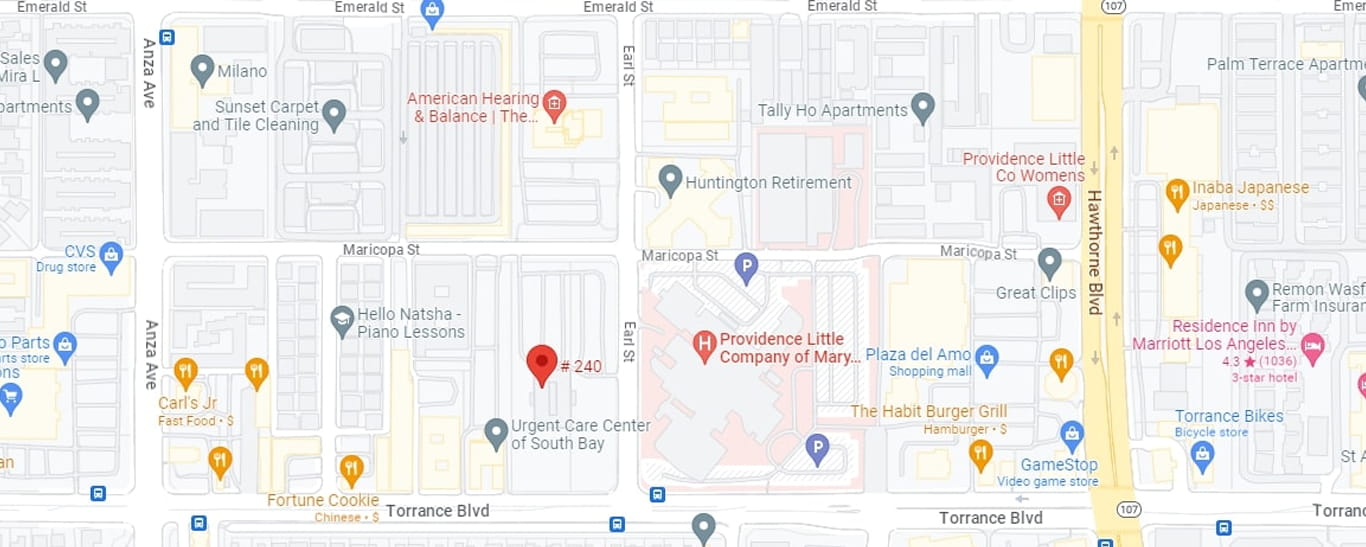
Weightlifters looking for a more complete recovery plan can explore our integrated clinical support in Torrance, which pairs massage with acupuncture and movement work.
During high-intensity weightlifting, your muscle fibers experience structural stress, which leads to micro-trauma and the buildup of metabolic byproducts. You experience delayed-onset muscle soreness due to lactic acid and a complex inflammatory reaction that may limit your training frequency unless addressed.
Sports massage is a mechanical stimulus for recovery, achieved through manual manipulation of soft tissues to promote fluid flow and support cell repair. You benefit from deep-tissue techniques that penetrate the superficial fascia to reach the underlying musculature, where tension is most pervasive.
Eliminating Metabolic Wastes and Lowering Inflammation
The main physiological objective of your recovery session is the effective removal of cell debris that builds up in the course of vigorous lifting sessions. You use deep, rhythmic strokes to increase pressure in the intramuscular space, which helps remove waste products from the tissues and deliver them to the circulatory system.
This mechanical flushing reduces chemical irritation of local nerve endings, thereby diminishing the sense of pain, and allows your muscles to resume homeostasis much faster. It is this decrease in local inflammation that is essential for sustaining high-output training blocks without succumbing to the cumulative effects of systemic fatigue.
-
Improving Lymphatic Drainage to Reduce Muscle Swelling
When you use certain manual pressure to stimulate the one-way valves of the lymphatic vessels, you increase lymphatic drainage. Since the lymphatic system lacks a central pump like the heart, movement and external pressure move the fluid. After high-volume work, the interstitial fluid may become stagnant, hampering the supply of fresh blood, and you may feel significant swelling in the quads or lower back. Using targeted sports massage can accelerate the removal of excess fluid, which, in turn, reduces the internal pressure on your joints and connective tissues. This is done to ensure that next time you train, your limbs will be lighter and more responsive.
-
Enhancing Micro-Circulation to Deliver Nutrients
You enhance microcirculation by causing vasodilation of the capillary beds through the use of sustained manual friction and heat. This increase in local blood circulation supplies the necessary amino acids, oxygen, and glucose to the repair sites of muscle fibers. Prioritizing this circulatory boost gives your body the raw materials it needs to build hypertrophy and gain strength.
Well-oxygenated tissue is still more elastic and less likely to have the brittle, constrictive nature of poorly vascularized “knots.” You can shorten your recovery time by making your blood delivery system as efficient as possible so that it becomes not a rest phase but a rebuilding phase.
How well you can do a deep squat or a stable overhead press relies on the quality of your connective tissue and the range of motion of your joints. When the fascia, or silver skin that encloses your muscles, gets hard and dry through the constant heavy loading, you are often limited in your range of movement. Sports massage can help overcome these mechanical barriers by stretching the layers of fascia and loosening the adhesions that bind your muscles together. When your body is free to move without limitation, you have a competitive advantage, as you can produce more force and transfer energy more efficiently along your kinetic chain.
Addressing Myofascial Restrictions in Compound Movement Chains
You treat myofascial restrictions by determining the exact points at which you can feel your movement is blocked or heavy. In complex lifts such as the snatch or deadlift, a limitation in one part of the body (the ankles) will inevitably result in a compensatory movement in the lower back or shoulders. You also work with a physical therapist to loosen the thick, fibrous tissue that restricts your movement so that each muscle group has its own share of the lift. This method avoids excessive development of some muscle groups, while others remain inactive due to mechanical obstructions. Frequent myofascial sessions lead to a smoother, more flowing lifting technique that is much less stressful on your nervous system.
-
Releasing the Posterior Chain for Deeper Squats
You stretch the back part of the body by working on the multifaceted web of muscles that run from your calves to your hamstrings and all the way up to your erector spinae. When you have a hard time keeping a straight back during a back squat, you can usually blame tight glutes or tight hamstrings that tend to drag your pelvis into an inefficient stance.
You lengthen these tissues through deep longitudinal stripping and cross-fiber friction, and you re-establish their capacity to slide over one another. This lengthening will enable you to attain a lower squat without your heels rising or your back hunching. You literally remove the mechanical brakes that prevent the growth of your legs and squatting strength.
-
Mobilizing the Shoulder Girdle for Overhead Presses
You mobilize the shoulder girdle by treating the internal rotators and the tissues around the scapula, which often become limited in lifters. When your pecs and lats are always tight, it pulls your shoulders forward, reducing your ability to safely lock out weights overhead.
You apply certain massage methods to open the chest and free the subscapularis so that your shoulder blades can swing freely over the rib cage. This enhanced scapular rhythm will help minimize the risk of impingement and ensure that weight-bearing is on your skeletal structure, not just on your soft tissues. This targeted mobilization will give you a more stable, powerful overhead position.
Whereas sports massage addresses the mechanical and circulatory aspects of recovery, acupuncture offers a neurological reset that massage cannot. You combine the two modalities to develop a holistic recovery protocol that addresses the hardware and software of your athletic performance.
Acupuncture focuses on specific motor points and neuromuscular junctions to restore proper communication between your brain and muscles. This synergy will enable a deeper level of relaxation and a deeper restoration. muscle functionality, especially when it comes to that stubborn, chronic tightness that is difficult to break with manual pressure.
Neuromuscular Re-education and Slow Muscle Activation
You apply neuromuscular re-education to correct the imbalances whereby some muscles are hyperirritable, and others are performing poorly. Acupuncture needles serve as a point of focus for your nervous system, attracting the attention of inactive muscle fibers and increasing their likelihood of firing.
If you discover that your glutes are not engaging during your heavy pulls, you can use acupuncture to wake up the particular nerves that govern those muscles. You basically reset your muscular system so that your body operates at its optimal capacity with each lift. This rebalancing process will ensure that you are not merely lifting more weight but doing so with better technical skill.
-
Resetting Overactive Traps and Underactive Glutes
You reset hyper-irritable traps and under-irritable glutes with acupuncture to the hyper-irritable motor points or inhibited motor points. Most lifters experience upper trap dominance, in which the shoulders involuntarily shrug during all movements, leading to neck pain and poor stability. You elicit the local twitch response by inserting a thin, sterile needle into the trigger points of the upper traps, which relaxes the muscle's chronic contraction.
At the same time, you can also stimulate the gluteus medius and maximus with acupuncture to get them to assume the heavy lifting responsibilities that they were created to perform. These sessions will result in an instant change in your posture and a decrease in the noise of your nervous system.
-
Parasympathetic Reset
Acupuncture allows you to reset the parasympathetic system by regulating the autonomic nervous system, which is often in a fight-or-flight state due to strenuous training. Excessive cortisol, the hormone of stress, may impair muscle growth and sleep, creating a negative feedback loop that impairs recovery.
Acupuncture triggers the release of serotonin and endorphins, which naturally slow your heart rate and induce a deep, calm state. The quality of your sleep is much better, which will enable the natural secretion of growth hormones during the deep phases of sleep. You can ensure your training is as productive as your recovery by silencing your body's internal alarm system.
The success of a weightlifter lies in the ability to time recovery interventions relative to training intensity. You cannot just get a massage whenever you feel sore; you have to schedule your massage sessions so they do not interfere with the adaptive process.
Strategic planning will keep you fresh during the most intense parts of your workouts while also enabling the inflammation needed to stimulate muscle growth. You consider recovery a planned part of your training, as much as your sets and reps, to make sure that you are progressing long-term and that you are lasting in the sport.
Developing a Maintenance Protocol of Longevity
You create a maintenance plan by establishing a regular pattern of soft-tissue work equal to your training volume. For most lifters who train four to five times a week, a weekly or biweekly session is typical for maintaining healthy tissues and preventing minor problems from building up.
These sessions are used to prevent potential injuries before they turn into pain, such as IT band tightness or a slightly sore shoulder. Being proactive rather than reactive means you are not forced to take time off due to major strains or tears. This consistency will enable you to spend all year round in the gym, which is the most important aspect in reaching your long-term strength goals.
-
The 24-48 Hour post-training Recovery Window
You aim to do your recovery work within 24-48 hours of your most vigorous sessions. This is the best time to do it, since you will have the initial inflammatory response to your exercise and, at the same time, manage the soreness before it becomes debilitating. This is the period when your tissues can best benefit from the circulatory advantages massage offers and the neurological reset acupuncture provides.
The removal of metabolic waste during this period will dramatically shorten the duration and reduce the severity of DOMS. This will be a strategic time that prepares you to attack your next hard workout with the intensity needed, rather than going through a brain fog of muscle aches.
-
Pre-Event Priming
You employ pre-event priming to “prime” the body for an event or a maximum-effort day without the deep muscular fatigue that can result from a deep-tissue massage. Pre-event massages should be brief and include brisk, invigorating strokes that help to stimulate the nervous system and promote blood flow to the major muscle groups.
You don’t use the painful “digging” that can leave you sore or fatigued on stage. You use gentle mobilization and acupuncture points that increase energy and alertness. This means you’ll feel warm, flexible, and alert when you enter the room, and you’ll be able to push yourself to the limit without feeling stiff.
If you are a weightlifter, recovery is more than just rest and food. You need to proactively address the mechanical, vascular, and neurological stresses that weightlifting creates to maintain long-term performance and well-being.
Our sports massage and acupuncture treatments at Trinity Acupuncture help athletes break through plateaus and avoid the injuries that plague so many. Our holistic approach helps to resolve the underlying issues that lead to tight muscles and limited range of motion, so you can train more intensely and recover faster. We have a long history of working with some of Torrance’s top athletes and can help you, too. Call us today at 310-371-1777 to book an appointment for your recovery assessment and get the best treatment available.